 English
How do you maintain a multilayer vulcanizing press for long-term performance?
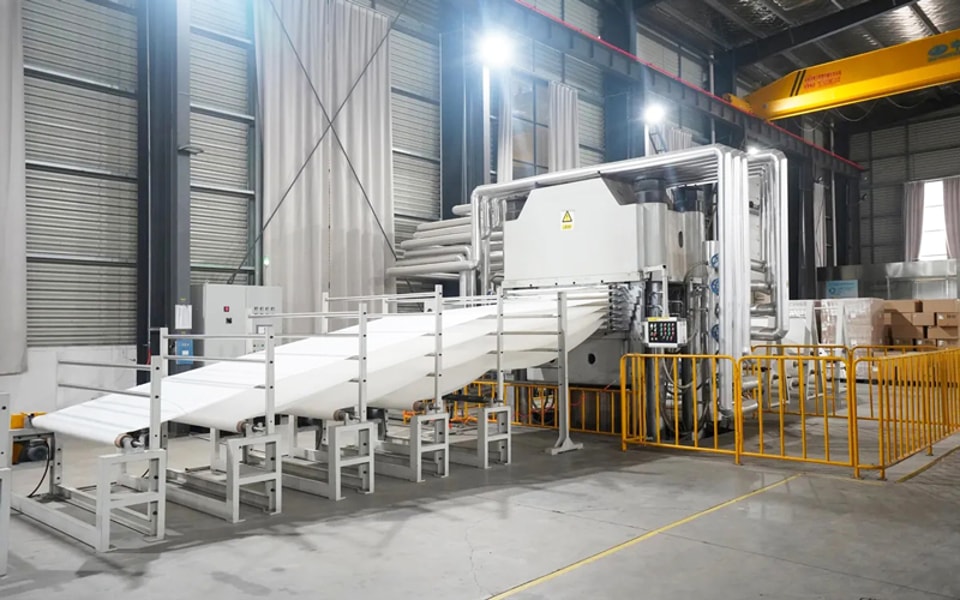
To ensure the long-term, stable, and efficient operation of a multi-layer vulcanizing press, it is crucial to establish a systematic maintenance regime covering routine care, inspection of critical components, maintenance of hydraulic and electrical systems, and management of process parameters. Given that the equipment operates under high-temperature and high-pressure conditions, even minor maintenance oversights can lead to reduced efficiency, inconsistent product quality, or equipment failure; therefore, standardized maintenance is essential.
First, routine cleaning and basic inspections are the initial steps in maintaining equipment performance. After each production run, residual rubber, impurities, or mold release agents must be promptly removed from the hot plate surfaces to prevent accumulation that could impair heat transfer efficiency. Simultaneously, molds on each layer should be inspected for wear, deformation, or obstructions to ensure precise mating between the upper and lower mold halves. The exterior of the equipment must be kept clean and dry to prevent dust and oil from entering critical drive or control areas, which could compromise mechanical stability.
Second, maintenance of the hydraulic system is vital for the long-term operation of the press. The hydraulic system provides stable pressure output; oil contamination or pressure instability directly impacts vulcanization quality. Hydraulic oil cleanliness and levels should be checked regularly, with filtration or replacement performed as necessary. Oil lines and fittings must be inspected for leaks to prevent pressure loss. Critical components, such as hydraulic pumps and valve assemblies, require periodic operational checks to ensure responsive and uniform pressure, thereby avoiding inconsistencies in pressure between layers.
Third, the stability of the temperature control system directly determines product quality and requires focused maintenance. Multi-layer vulcanizing presses rely on hot plates for uniform heating; uneven heating can result in under-vulcanization or over-vulcanization. The operating status of heating elements, electric hot plates, and temperature sensors should be checked regularly to ensure sensor data is accurate and free from drift. Additionally, the heat transfer medium in the hot plates must be sufficient and circulating smoothly to prevent localized overheating or excessive temperature differentials. For equipment in long-term service, the temperature control system should also be calibrated to ensure precision.
Fourth, inspection and lubrication of the mechanical structure cannot be overlooked. The multi-layer design involves numerous guide pillars, lifting mechanisms, and mold opening/closing assemblies—components that are prone to wear during prolonged operation. Components such as guide rails, bearings, and chains require regular lubrication to minimize frictional wear. Additionally, the synchronization of the lifting system must be monitored to prevent uneven loading or inter-layer misalignment, which could compromise product consistency.
Fifth, maintaining the electrical control system is crucial for ensuring stable operation. The control cabinet must be kept clean and dry, and wiring connections should be inspected regularly for security, signs of aging, or looseness. Program data for PLC control systems or automation modules should be backed up periodically to prevent parameter loss due to system anomalies. Furthermore, sensors, limit switches, and safety devices must be checked for responsiveness and reliability to ensure the equipment can shut down safely in the event of an abnormality.
Sixth, the standardized management of process parameters helps extend equipment lifespan. Since different materials have varying requirements for temperature, pressure, and time, a standardized parameter system should be established to avoid prolonged operation at extreme limits. Properly setting vulcanization cycles and avoiding excessive pressure or overheating can effectively reduce fatigue-related wear and enhance the equipment's overall service life.
Finally, comprehensive overhauls and preventive maintenance are key to ensuring long-term performance stability. Maintenance schedules should be developed based on operating cycles, involving systematic inspections and performance assessments of the hydraulic, electrical control, heating, and mechanical systems. Potential issues should be identified and addressed proactively rather than waiting for a breakdown to occur.
In summary, maintaining the long-term performance of multi-layer vulcanizing presses requires a coordinated approach across multiple areas, including cleaning and general maintenance, hydraulic and temperature control systems, mechanical lubrication, electrical controls, and process management. Only by establishing a standardized, periodic maintenance system can the equipment maintain efficient, stable, and safe operation over the long term, while extending its service life and improving production consistency.


