 English
How do you maintain an automatic cutting machine?
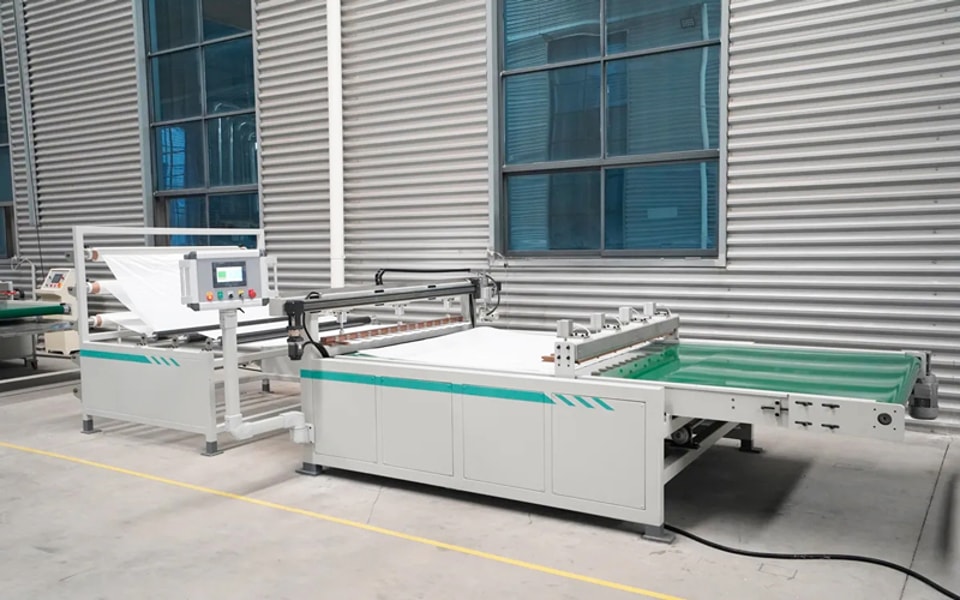
As a high-precision CNC machine, the automatic cutting machine operates under conditions of high-speed movement and frequent cutting; its stability and precision rely heavily on standardized maintenance management. Inadequate maintenance not only compromises cutting accuracy but can also lead to equipment failure, accelerated tool wear, and reduced production efficiency. Therefore, establishing a systematic and scientific maintenance regimen is key to ensuring the machine's long-term, stable operation.
First, daily cleaning forms the foundation of maintenance. After each operation, debris, dust, and material residues must be promptly cleared from the work surface, the area surrounding the cutting tool, and the guide rails. Materials such as fibers, foam, and rubber are particularly prone to generating fine particles during cutting; if left uncleaned, these particles can infiltrate the guide rails or drive systems, impairing movement precision. Keeping both the exterior and interior of the machine clean effectively minimizes wear and extends its service life.
Second, inspecting and replacing the cutting tool is crucial. As the core component responsible for the actual cutting, the tool inevitably undergoes wear during prolonged use. A dull blade can cause material tearing, rough edges, or dimensional inaccuracies. Consequently, the tool's sharpness should be checked regularly, and it should be replaced or sharpened promptly based on the specific material being processed. Additionally, ensuring the tool is securely installed at the correct angle prevents cutting deviations or inconsistent depths caused by improper mounting.
Third, maintenance of the lubrication system must not be overlooked. Moving parts—such as guide rails, lead screws, and bearings—require proper lubrication to minimize frictional resistance and ensure smooth operation. Insufficient lubrication accelerates mechanical wear and can lead to stalling or positioning errors. Therefore, specialized lubricant should be applied regularly based on usage frequency, and the lubrication system should be checked for proper functionality to prevent dry friction.
Fourth, inspecting the drive system is vital for maintaining precision. Drive components such as belts, gears, and lead screws may loosen or wear down over extended periods of operation. Any backlash or instability in the drive mechanism directly affects the tool's movement path, resulting in cutting errors. Thus, the tightness of drive components should be checked regularly, with adjustments or replacements made as necessary to ensure stable and reliable power transmission.
Fifth, the maintenance of vacuum suction or clamping systems is crucial. For equipment requiring material fixation during cutting, the stability of the hold directly impacts cutting precision. Clogged suction holes, insufficient air pressure, or loose clamps can cause the material to shift during the cutting process, leading to inaccuracies. Therefore, suction channels should be cleaned regularly, the air pressure system inspected, and the material fixation devices verified for proper operation.
Sixth, the maintenance of the electrical control system must not be overlooked. The interior of the control cabinet should be kept dry and clean to prevent dust accumulation or moisture from compromising circuit stability. Wiring connections should be checked regularly for security, as well as for signs of aging, looseness, or poor contact. Additionally, backing up CNC system programs helps prevent production interruptions caused by data loss or system anomalies.
Seventh, equipment precision calibration is a vital measure for ensuring long-term, stable operation. Over time, the equipment may develop slight coordinate offsets or mechanical errors. Consequently, periodic coordinate calibration, tool compensation adjustments, and motion accuracy checks are necessary to ensure the cutting path aligns with the design data. Regular calibration effectively prevents accumulated errors from compromising product quality.
Eighth, the proper setting of operating parameters is also part of maintenance. Different materials have distinct requirements regarding cutting speed, tool pressure, and feed methods. Prolonged use of inappropriate parameters—such as cutting hard materials at high speeds or using excessive tool pressure on soft materials—accelerates equipment wear. Therefore, parameters should be adjusted according to the material type to keep the equipment in optimal working condition.
Ninth, environmental management plays a role in equipment maintenance. The workspace should be kept clean and dry, avoiding excessive dust or humidity. Dust can infiltrate guide rails and electrical systems, while a humid environment can compromise the stability of electronic components. Furthermore, avoiding prolonged exposure to high temperatures or intense vibration helps extend the equipment's service life.
Finally, periodic comprehensive overhauls are key to long-term maintenance. In addition to daily upkeep, a schedule for periodic overhauls should be established to conduct thorough inspections and performance assessments of the mechanical structure, electrical system, drive components, and control system. Identifying and repairing potential issues early prevents minor problems from escalating into major breakdowns. In summary, the maintenance of automatic cutting machines encompasses various aspects, including cleaning and general upkeep, tool management, lubrication, drive system inspection, vacuum system maintenance, electrical system management, precision calibration, parameter optimization, and environmental control. Only through systematic and standardized maintenance management can the equipment maintain high precision, efficiency, and stability over the long term, thereby enhancing overall production quality and economic benefits.


