 English
What are the key advantages of high-strength high-modulus PE fiber?
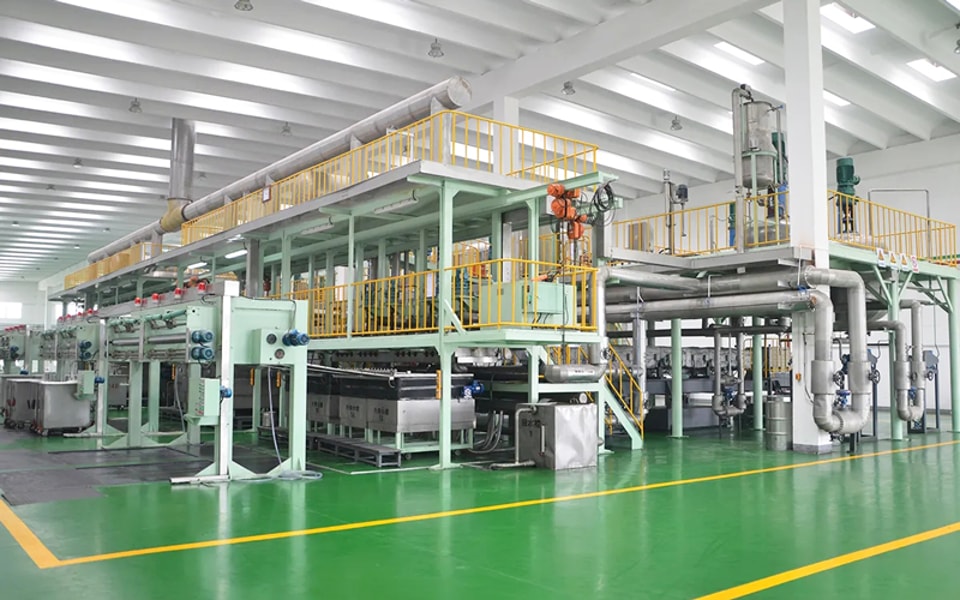
High-strength, high-modulus polyethylene fiber is a high-performance material distinguished by its exceptional properties. Through specialized stretching and orientation processes, its molecular chains are arranged in a highly ordered manner, resulting in superior strength and modulus. Due to its outstanding overall performance, it is widely used in fields such as protective equipment, marine engineering, aerospace, ropes and cables, and composite material reinforcement. Its core advantages lie primarily in its mechanical properties, low weight, environmental resistance, and versatility in application.
First, its most notable advantage is its extremely high specific strength. The strength of high-strength, high-modulus polyethylene fiber can match or even exceed that of certain metals, yet its density is far lower than that of metals or traditional fibers. This combination of light weight and high strength allows it to withstand greater loads for a given weight, making it indispensable for applications such as ballistic materials, heavy-duty lifting ropes, and high-strength structural components. Compared to steel wire, it offers significant weight reduction for the same strength requirements, thereby greatly enhancing operational efficiency and safety.
Second, its excellent specific modulus is another key advantage. A high modulus means the material undergoes minimal deformation under stress, offering superior rigidity and dimensional stability. In practical applications, this characteristic effectively minimizes structural deformation and improves the stability of the entire system. For instance, in ropes, cables, and reinforcement materials, the high modulus ensures minimal elongation under load, resulting in safer and more reliable structures.
Third, its outstanding impact resistance makes it highly valuable in the field of protective equipment. When subjected to high-speed impacts, the fiber’s highly oriented molecular chain structure rapidly disperses energy, absorbing a significant amount of the impact force. This energy-absorbing capability makes it ideal for use in safety products such as body armor, ballistic helmets, and protective plating, effectively enhancing the safety of personnel and equipment.
Fourth, its exceptional resistance to chemical corrosion is another major advantage. The fiber exhibits excellent resistance to most acids, alkalis, and organic solvents, making it highly resistant to chemical degradation. Consequently, it maintains stable performance in marine environments, chemical processing facilities, and highly corrosive operating conditions. For example, in marine cables and fishery applications, it shows no significant performance degradation even after prolonged exposure to salt spray and seawater. Fifth, its excellent wear and fatigue resistance make it suitable for applications involving long-term cyclic loading. Even under conditions of high-frequency stretching or friction, the fiber maintains structural integrity and resists breakage or damage. Consequently, it offers a long service life in products such as lifting ropes, industrial conveyor belts, and sports equipment, thereby reducing maintenance and replacement costs.
Sixth, good UV and aging resistance are key characteristics. Specially treated high-strength, high-modulus polyethylene fibers can withstand long-term outdoor use without significant degradation, maintaining stable mechanical properties. This makes them ideal for structural materials in outdoor engineering projects, offshore facilities, and environments involving prolonged exposure to the elements.
Seventh, the lightweight advantage resulting from its extremely low density is particularly notable. Its density is far lower than that of traditional metallic materials, allowing finished products to be significantly lighter while maintaining high strength. This lightweight quality enhances transport and operational efficiency and reduces structural loads—factors of great importance in aerospace, marine engineering, and high-end equipment manufacturing.
Eighth, its good processability is a major reason for its widespread application. High-strength, high-modulus polyethylene fibers can be processed via weaving, winding, and compounding into various forms—such as fabrics, mesh structures, and composite reinforcements—to meet diverse industrial needs. This processing flexibility greatly expands the scope of its applications.
Ninth, its high level of safety is a key factor in its extensive use within the protective equipment sector. Because the material absorbs energy before breaking and fails gradually rather than catastrophically (unlike brittle materials), it offers greater reliability in safety-critical applications.
Finally, high-strength, high-modulus polyethylene fibers offer excellent overall economic value. Although the unit price is relatively high, the material's long service life, low maintenance costs, and stable performance result in lower total costs over the long term, making it highly cost-effective for high-end applications.
In summary, the core advantages of high-strength, high-modulus polyethylene fibers include ultra-high specific strength, excellent specific modulus, good impact resistance, chemical corrosion resistance, wear and fatigue resistance, aging resistance, lightweight properties, good processability, and high safety. These combined properties make it an indispensable component of modern high-performance material systems, playing a pivotal role across various high-end industrial sectors.


